
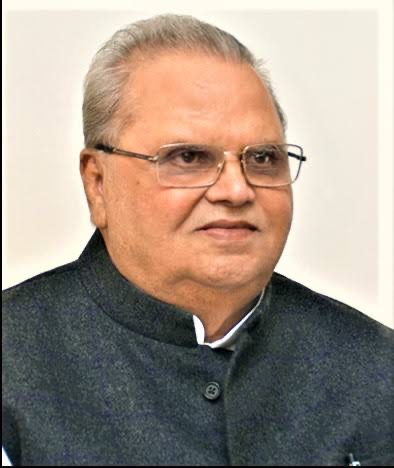
Satyapal Malik, the outspoken former Governor of Jammu and Kashmir, passed away in New Delhi on August 5 after a prolonged illness. He was 79.
The news of his demise was confirmed through a post on his official X account. Malik, who had been admitted to Ram Manohar Lohia (RML) Hospital on May 11, died following complications from a severe urinary tract infection, septic shock, and multi-organ failure, according to a statement issued by the hospital.
A native of Baghpat in western Uttar Pradesh, Malik had a long-standing history of diabetic kidney disease, hypertension, obesity, and sleep apnea.
Despite intensive care, ventilatory support, hemodialysis, and multiple rounds of antibiotics and cytosorb therapy, his condition worsened.
His mortal remains will be taken to his residence in R K Puram, with cremation scheduled for Wednesday at the Lodhi crematorium.
Malik’s political journey spanned over five decades — a career that saw him shift across the ideological spectrum, from Bharatiya Kranti Dal to Lok Dal, Congress, BJP, and Janata Dal factions.
He first entered politics in the 1970s as an MLA, later serving multiple terms in the Rajya Sabha under different parties.
He is perhaps best remembered for his turbulent tenure as the Governor of Jammu and Kashmir during the abrogation of Article 370 in August 2019.
He also held gubernatorial posts in Goa and Meghalaya.
Even after retirement, Malik remained a vocal figure, unafraid to take on the government.
He frequently made headlines with sharp public criticism of the Narendra Modi-led Centre — most notably accusing it of lapses related to the Pulwama attack and alleging widespread corruption within the establishment.
In recent years, he was seen attempting to revive his political relevance, particularly among the Jat and farmer communities of western UP — constituencies he had long championed.
Satyapal Malik leaves behind a legacy marked by defiance, unpredictability, and a refusal to be silenced — whether in office or out of it.