
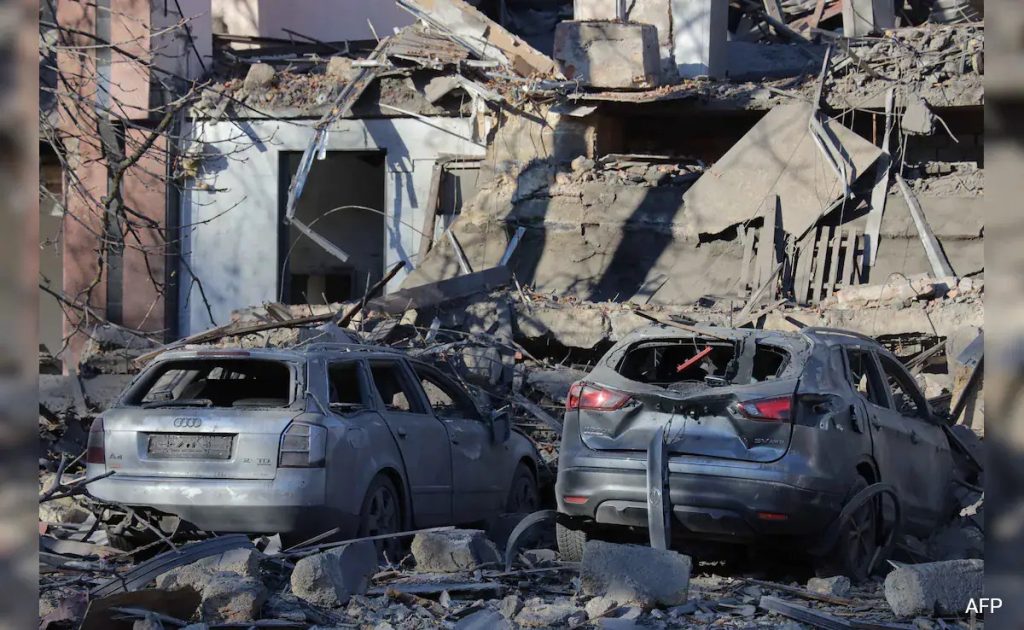
In a chilling escalation of its air war against Ukraine, Russia launched the largest drone attack of the conflict to date, firing more than 500 unmanned aerial vehicles overnight in what Kyiv officials called a deliberate and politically charged show of force.
The June 10 onslaught, which marks the third consecutive night of mass bombardment, dealt a devastating blow to dwindling hopes for a negotiated peace and sent shockwaves across global capitals.
Ukrainian President Volodymyr Zelenskyy, in a blunt message posted on Telegram, called the wave of attacks “political messaging — and complete impunity.”
“This is not about military logic,” Zelenskyy wrote. “This is about showing the world that Russia does not answer to anyone.”
A relentless air campaign
Ukraine’s Air Force spokesperson, Yuriy Ihnat, confirmed that at least 355 drones were launched during the night, adding to the nearly 900 UAVs deployed by Russia in just three days.
The previous night had already set a grim record, with 298 drones and 69 missiles — now eclipsed by the latest barrage.
Meanwhile, Moscow claimed it had downed over 100 Ukrainian drones aimed at Russian targets, including several near the capital. The mutual aerial bombardment forced more than 30 commercial flights to reroute, underscoring the war’s widening geographic and psychological impact.
Drones define the battlefield
Once a tactical novelty, drones have now emerged as the defining weapon of this war — a technological and strategic arms race unfolding in real time.
Russia, once reliant on Iranian-made Shahed drones, is now producing its own variants. Ukraine, struggling with manpower shortages, has turned to long-range drones to carry the fight deeper into Russian territory.
Analysts warn the scale of Russia’s latest assault signals preparation for a broader summer offensive. With little international deterrence on the horizon, Moscow appears emboldened.
Global condemnation and political shockwaves
The scale and brazenness of the attack drew swift and scathing reactions from world leaders.
Former U.S. President Donald Trump — known for a restrained stance on Russia — called Putin “absolutely CRAZY” and accused him of “needlessly killing a lot of people.” But Trump also criticized Zelenskyy, claiming the Ukrainian president’s rhetoric was escalating tensions.
In Paris, French President Emmanuel Macron accused Putin of having “lied to both Europe and the U.S.” He urged the West to respond with a firm deadline and the threat of “massive retaliation,” particularly through expanded sanctions.
European Union foreign policy chief Kaja Kallas called the drone attacks “totally appalling” and confirmed the EU was preparing a new sanctions package.
Meanwhile, Germany’s Chancellor Friedrich Merz said Ukraine now faces “no range restrictions” on Western-supplied weapons — a tacit green light for Kyiv to strike military targets inside Russia.
That development drew immediate condemnation from Moscow. Kremlin spokesperson Dmitry Peskov called the decision “quite dangerous” and warned it would further derail diplomatic efforts.
Fragile diplomacy amid fire
The drone blitz comes just months after Ukraine unilaterally accepted a US-brokered 30-day ceasefire in March — an offer Russia refused to honor. With peace overtures stalled and air raids intensifying, hopes for a diplomatic breakthrough appear increasingly remote.
Yet amid the carnage, a rare act of cooperation emerged: on June 9, the two sides completed the largest prisoner exchange of the war, trading more than 1,000 captives in a moment of fragile reprieve.
Still, with skies filled with drones, missiles shadowing civilian flights, and threats escalating on both sides, the war appears to be entering a darker, more unpredictable phase.
Russia’s latest aerial assault is more than a battlefield maneuver — it is a blunt signal to the world: the war in Ukraine is not only far from over, it may be nearing a new and more dangerous chapter.