

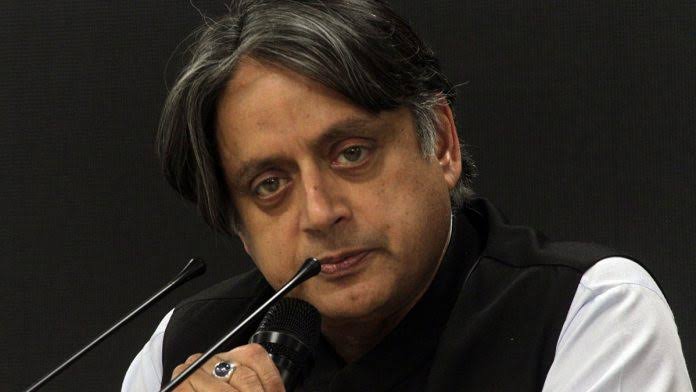
Senior Congress leader Shashi Tharoor has sparked a fierce internal party dispute after praising the Modi government’s surgical strikes across the Line of Control (LoC), describing them as “unprecedented” acts of retaliation against terror attacks.
Currently on a diplomatic visit in Latin America, Tharoor dismissed his critics as “zealots and trolls,” insisting his remarks were being deliberately misinterpreted.


Posting from Panama late on May 26, he said he had “better things to do” than engage with the uproar that followed his acknowledgment of the Modi administration’s military actions.
Tharoor clarified that his praise was specifically for retaliatory strikes against terrorism in recent years, not a dismissal of earlier military campaigns.
“I was clearly and explicitly speaking only about reprisals for terrorist attacks and not about previous wars,” he stated on X, ahead of his departure for Colombia.
Despite his explanation, backlash within Congress intensified. Udit Raj, leader of the party’s unorganized workers’ wing, accused Tharoor of betraying Congress’s historic legacy, invoking India’s military victories in 1965 and 1971 and surgical strikes under the UPA government.
Senior leaders Jairam Ramesh and Pawan Khera joined the chorus of criticism, with Khera highlighting past UPA surgical strikes and sharing historic images of Indian Army officers from the 1965 conflict near Lahore.
Ironically, BJP minister Kiren Rijiju defended Tharoor, accusing Congress of undermining national interest for political gain. “There’s a limit to political desperation,” Rijiju wrote.
“Should Indian MPs go to a foreign nation and speak against India and its Prime Minister?”
The controversy exposes deep ideological rifts within Congress and underscores the party’s ongoing struggle to counter the BJP’s assertive national security narrative.
Known for his diplomatic skill and international stature, Tharoor remains unshaken, closing his statement with a terse “Goodnight.”
As the senior leader travels from Panama to Bogotá, the internal conflict in Congress continues to play out publicly, raising questions about the party’s ability to manage dissent while under the global spotlight.