

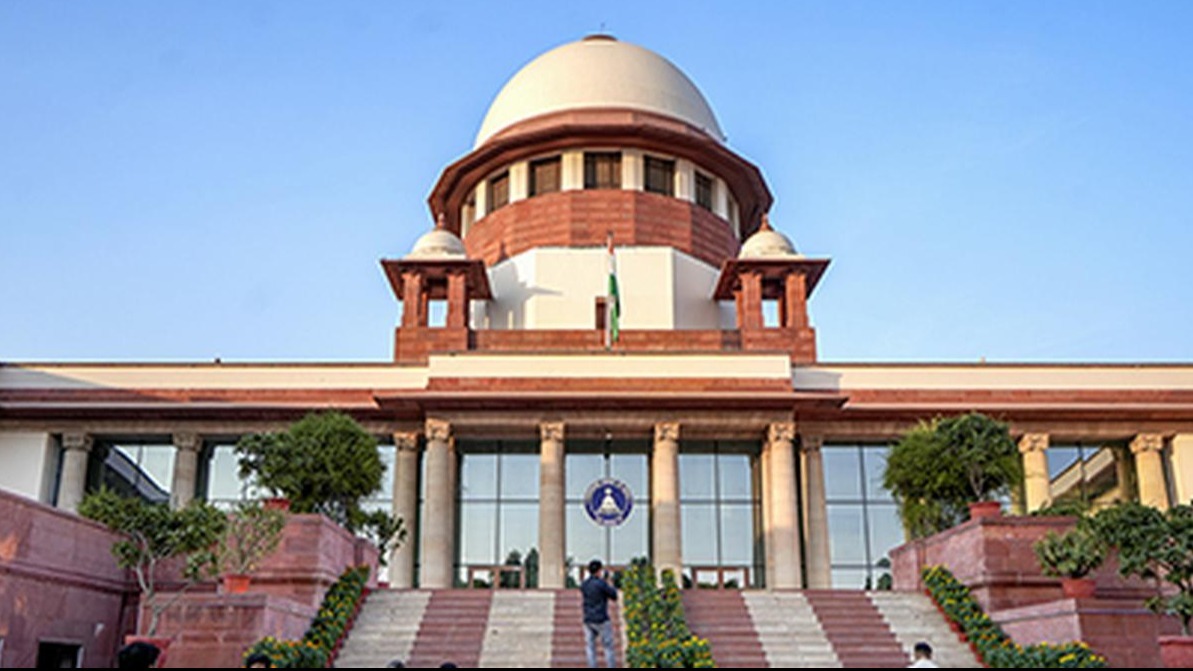
In a decisive ruling on June 4, the Supreme Court dismissed the Delhi Waqf Board’s longstanding claim over a gurdwara in Shahdara, emphatically recognizing the Sikh shrine’s continuous religious presence since India’s independence.
The bench of Justices Sanjay Karol and SC Sharma upheld the Delhi High Court’s 2010 judgment, which had rejected the Board’s appeal and affirmed that the disputed site has served as a bona fide gurdwara since 1947.


The Waqf Board had contended the property was historically mosque land under waqf ownership, citing possession suits dating back years. However, the courts found the Board’s evidence lacking and noted that none of its witnesses could substantiate its claims under oath.
Justice Sharma sharply refuted the Board’s counsel’s vague references to the structure as “some kind of gurdwara,” stating, “Not some kind of — a proper functioning gurdwara. Once there is a gurdwara, let it be.”
Key documents revealed the property was privately sold in 1953 to Hira Singh, while crucially, the Board’s own witness confirmed uninterrupted Sikh worship at the site since partition — a fact that decisively tipped the scales.
This ruling underscores the judiciary’s firm stance on protecting established religious rights and calls on the Waqf Board to relinquish its claim, respecting the site’s deep-rooted Sikh heritage.