
Marking a milestone moment in India’s post-independence journey, Prime Minister Narendra Modi on Wednesday unveiled a sweeping blueprint to catapult Sikkim onto the global stage — as both an international tourism magnet and a world-leading model for sustainable, green development.
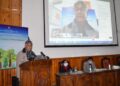
Addressing the Sikkim@50 celebrations via videoconference — after weather disrupted his planned visit — Modi described the northeastern state as “the pride of the nation” and “a cornerstone of India’s eastern development frontier.”


“Fifty years ago, Sikkim chose not just to join India geographically — but to align with the very soul of our democracy,” Modi reflected, paying tribute to the state’s decision to join the Indian Union in 1975.
A green model with global reach
Framing Sikkim as a rising force in environmental leadership, Modi declared the state would now lead not just India, but the world, in green development. “Sikkim will become a Green Model State for the planet, not just the nation,” he said.
He praised Sikkim’s achievements in organic farming and announced a significant step forward — India’s first organic fisheries cluster in Soreng district, aimed at bolstering Sikkim’s identity as a global pioneer in sustainable agriculture.
From hill station to global destination
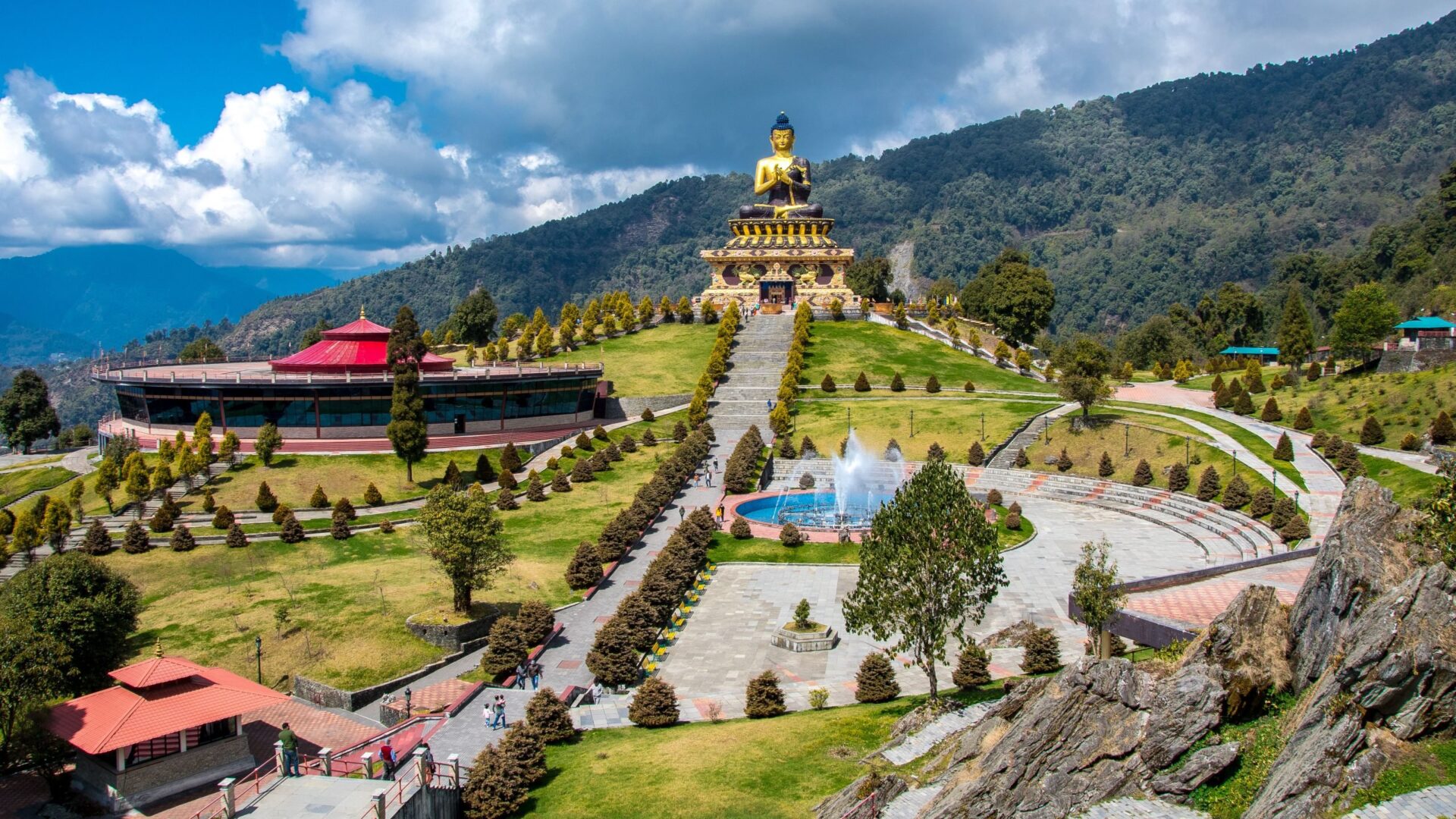
Calling for a reinvention of Sikkim’s tourism image, Modi emphasized the need to shift from viewing it as a quiet hill retreat to branding it as a full-fledged international destination.
“The time has come for Sikkim to take its rightful place on the global tourism map,” Modi declared, citing the UNESCO-listed Kanchenjunga National Park and the Skywalk project as cornerstones of its tourism future.
Connectivity as a game-changer
Modi underscored connectivity as the catalyst for Sikkim’s transformation, highlighting the creation of 400 km of national highways since 2014, the Atal Setu bridge, and a new Kalimpong road link as major upgrades.
“Connectivity is more than roads—it’s about uniting dreams, driving development, and opening doors to prosperity,” he said.
Four pillars of inclusive growth
In his broader national vision, Modi reiterated that the future of a developed India — or Viksit Bharat — rests on empowering four groups: the poor, farmers, women, and youth.
He positioned Sikkim as a microcosm of this vision. “Its high per capita income reflects the strength, talent, and potential of its people,” Modi said, reinforcing the idea that no region should be left behind.
A nation united against terror
Turning briefly to national security, Modi condemned the recent terror attack in Pahalgam, calling it “an attack not just on Indians, but on humanity.” He emphasized India’s swift response through Operation Sindoor.
“They tried to erase the sindoor from our daughters’ foreheads — we responded with resilience and resolve. Today, India speaks with one voice against terror,” he said.
Golden jubilee, golden horizon
Marking the Golden Jubilee of Sikkim’s union with India, Modi inaugurated landmark projects, including a statue of former PM Atal Bihari Vajpayee and the Golden Jubilee Project, calling them “symbols of Sikkim’s rising stature on the national and global stage.”
He concluded with a call to action:
“Tourism isn’t just entertainment — it’s a celebration of nature, culture, and diversity. And Sikkim is ready to lead the world in all three.”
Sikkim at a glance: Key milestones
• 400 km of national highways built since 2014
• India’s first organic fisheries cluster in Soreng
• Among India’s highest per capita income states
• UNESCO World Heritage Site: Kanchenjunga National Park
• Skywalk & Atal Setu: Game-changing infrastructure for tourism and connectivity