
In Agra’s bustling leather district, the symphony of stitching machines and hammer blows has long been the soundtrack of a global export success story.
For decades, the city’s high-end footwear marched confidently into Europe. More recently, a new prize had emerged: the United States — the world’s largest consumer market, and one that was rapidly falling in love with Indian leather.


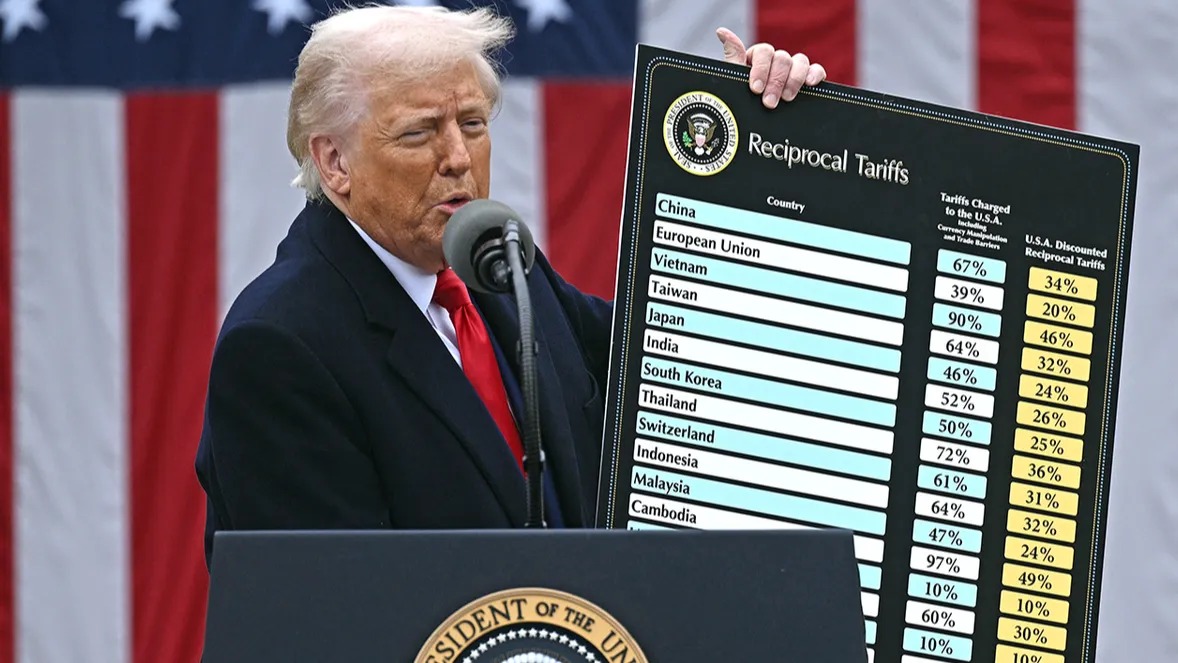
That ascent has been abruptly derailed. In a shock move, US President Donald Trump has jacked up tariffs on Indian leather footwear from 5–8% to 25%, with a second hike to 50% looming before the end of the month.
For India’s $4.8 billion leather export sector — and especially Agra, its beating heart — the blow has been both sudden and severe.
“Success in the US would have changed the scale of our business,” said Sushant Dhapodkar of Tej International Pvt Ltd. “Now, everything has slowed to a crawl.”
The timing could not be worse. The US, once a marginal buyer, has become the fastest-growing market for Indian leather — up 62% in just four years to $1.04 billion. In the last quarter alone, nearly half of Agra’s $594 million export earnings came from American orders.
Factories doubled assembly lines, hired more hands, and poured money into expansion to meet the surging demand.
Now, production floors are in limbo. The tariff bomb has landed at the peak of the autumn-winter shipping season, when premium boots and formal shoes are set to sail.
Buyers are freezing orders, unwilling to pay a premium that would price Indian goods out of competition with Chinese or Vietnamese footwear — still taxed at lower rates.
“This is our peak season, and buyers are already telling us to stop shipments,” said Puran Dawar, chairman of the Development Council for Footwear and Leather Industry. “Some are switching to China, where the tariff is 30%, or Vietnam at 20%. We can’t compete.”
Beyond the export numbers lies a human crisis. Agra’s leather economy sustains tens of thousands of jobs, from tanners and toolmakers to packers and transporters.
A prolonged slowdown could ripple through the city’s entire industrial ecosystem.
For many, the frustration cuts deep — this was supposed to be their breakout moment. “We were on track to double or triple exports to the US,” said Nazir Ahmed of Park Exports. “Now all that planning is frozen.”
Industry leaders are clinging to the hope that the move is a negotiating ploy that could be reversed. Commerce Minister Piyush Goyal has already met exporters to explore relief, including government sharing of the cost burden.
Some are eyeing new markets — reviving trade links with Russia, or tapping India’s own booming middle class.
But for Agra’s leather makers, the US remains the ultimate prize. As Council for Leather Export chairman Rajendra Kumar Jalan put it: “Finding an alternative for such large orders won’t be easy for them either. The panic is real — but so is the hope.”